When DIY Wildlife Removal Becomes Risky and Professional Help Is Needed
When DIY wildlife removal becomes risky and professional help is needed, local contractors can safely and effectively handle animal intrusions and prevent future issues.
Many property owners in the area find themselves wondering when DIY wildlife removal crosses the line into becoming risky and when professional help becomes necessary. While attempting to handle nuisance animals on your own might seem straightforward at first, certain situations can quickly escalate into safety concerns or cause unintended damage to your property. Understanding these practical boundaries is essential to protect both your home and your well-being, especially when dealing with animals that may be aggressive, carry diseases, or have made nests in hard-to-reach spots.
For those navigating these challenges, local service providers offer specialized wildlife removal solutions designed to address complex situations safely and effectively. These professionals have the experience and tools to handle wildlife issues that go beyond simple deterrents, ensuring that animals are removed humanely and that entry points are properly sealed. Exploring this topic helps property owners make informed decisions about when to seek expert assistance, ultimately saving time, reducing risks, and maintaining a healthy, animal-free home environment.
- Bird exclusion services are recommended when DIY attempts to remove nesting birds risk damage to property or violation of wildlife regulations, with local contractors using humane and effective methods. Squirrel trapping and removal become necessary when DIY efforts fail to address persistent infestations or risk injury from climbing or handling animals, with local pros employing safe trapping techniques. Bat exclusion work is advised when DIY methods cannot guarantee complete removal or risk harming the bats, with local service providers ensuring proper sealing and humane exclusion. Raccoon removal is needed when DIY efforts are unsafe due to animal aggression or access to difficult areas, with local contractors utilizing specialized equipment for safe removal and entry point sealing. Wildlife cleanup and damage repair are essential when DIY removal leaves behind messes or structural issues, with local pros providing safe cleanup and restoration services.
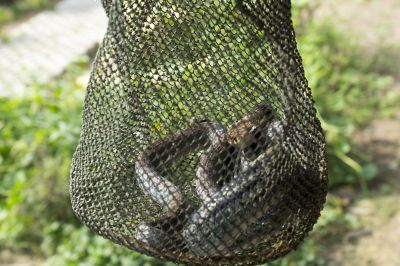
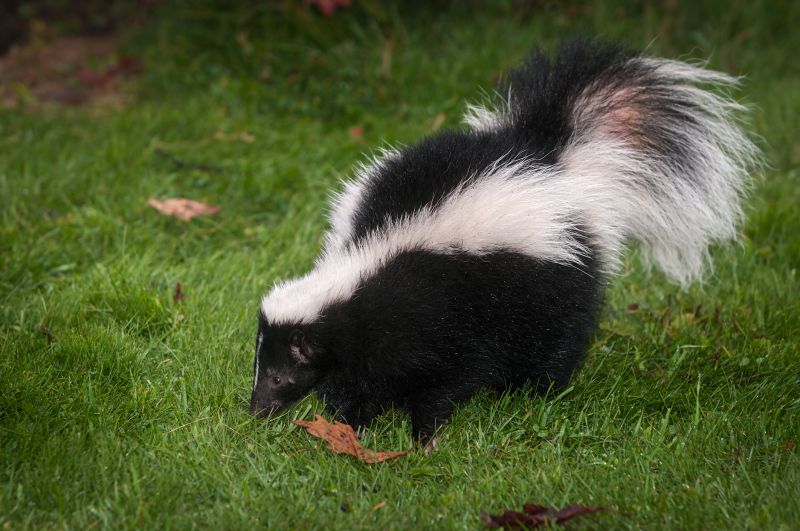
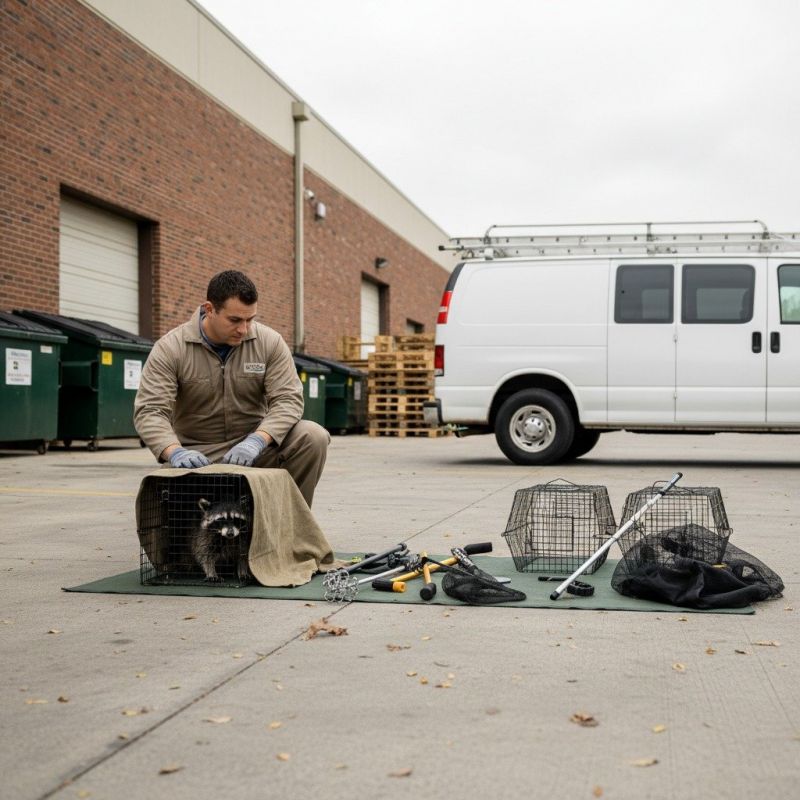
When people search for information about when DIY wildlife removal becomes risky and professional help is needed, they are often concerned about handling nuisance animals on their own and the potential dangers involved. Homeowners may encounter situations where animals like raccoons, squirrels, bats, or birds have taken up residence in or around their property, and they consider removing them without professional assistance. The focus is usually on understanding the limits of DIY methods, recognizing signs that the situation requires expert intervention, and avoiding common pitfalls that can lead to safety hazards or property damage. This topic is relevant to homeowners who want to resolve wildlife issues effectively while minimizing risks associated with improper removal techniques.
The problems related to when DIY wildlife removal becomes risky often involve animals that are difficult to handle, aggressive, or potentially dangerous due to disease transmission. Plans to remove animals without proper knowledge can lead to incomplete exclusion, causing animals to return or become trapped inside walls, attics, or chimneys. Additionally, some species, like bats or birds, may be protected by law, making unpermitted removal illegal and risky. Homeowners also think about damage to their property, such as chewed wiring, insulation destruction, or structural harm caused by persistent animal activity. These issues highlight the importance of understanding when a DIY approach might not be enough and professional help is necessary to ensure safe, humane, and effective wildlife management.
Properties where these wildlife problems typically occur include residential homes, especially those with attics, chimneys, or roof vents that provide easy access for animals. Commercial buildings or barns with open spaces and structural vulnerabilities are also common sites for wildlife conflicts. Older properties with gaps, cracks, or poorly sealed areas are more susceptible to animal intrusion. Homeowners often attempt DIY removal on these types of properties, but the complexity of access points and the potential for legal restrictions make professional assistance a prudent choice. Local service providers are equipped to handle these property-specific challenges, ensuring animals are removed safely and entry points are properly sealed to prevent future issues.
Understanding when DIY wildlife removal becomes risky and professional help is needed involves recognizing the limits of do-it-yourself methods and knowing when to seek expert assistance. While minor problems like removing a single bird or squirrel from an accessible area might be manageable, situations involving large colonies, aggressive animals, or animals in hard-to-reach spaces often require specialized tools and knowledge. Local contractors who specialize in wildlife removal can assess the situation, identify underlying causes of the intrusion, and implement humane and effective solutions. Their experience helps prevent injury to the homeowner, avoids legal complications, and ensures that the property is properly protected against future wildlife conflicts.
Attic Insulation Installation - Proper insulation installation requires careful planning and tools similar to wildlife exclusion, making professional assistance important when DIY efforts become risky.
Gutter and Roof Repairs - Repairing or sealing roof and gutter issues involves working at heights and handling materials that professionals are better equipped to manage safely.
Exclusion and Barrier Installation - Installing barriers to prevent animal entry demands precise planning and tools, highlighting the need for experienced local contractors when DIY becomes complex.
Structural Damage Repair - Fixing damage caused by wildlife often involves structural work that requires specialized skills beyond typical DIY capabilities.
Trap and Cage Setup - Setting up humane traps and cages involves understanding animal behavior and safety precautions, which professionals can provide effectively.
Decontamination and Cleanup - Removing animal droppings and contaminants necessitates proper techniques and equipment, making professional services essential when DIY efforts become risky.
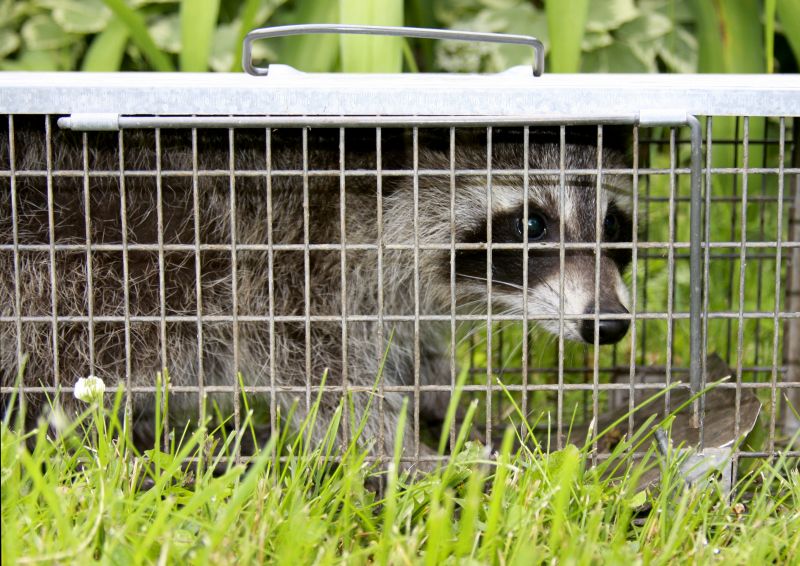
When evaluating wildlife removal services, it is important to consider the experience of local contractors with similar projects. Homeowners should inquire about the types of wildlife the service providers have handled in the past and ensure they have a proven track record of managing situations comparable to their own. An experienced professional is more likely to understand the complexities involved in safely and effectively removing animals, especially in cases where DIY methods may have failed or when the wildlife has created extensive damage. This familiarity can help ensure that the removal process is handled efficiently and reduces the risk of unintended consequences that could arise from inexperienced attempts.
Clear written expectations are a vital part of choosing the right wildlife removal service. Homeowners should seek providers who offer detailed descriptions of their services, including the scope of work, methods used, and post-removal procedures. Having these expectations in writing helps prevent misunderstandings and ensures that both parties are aligned on what the project entails. It also provides a reference point should any issues or concerns arise during or after the work is completed. Transparent communication about what to expect can help homeowners feel more confident in the professionalism and reliability of the service provider.
Reputable references and strong communication skills are key indicators of a trustworthy wildlife removal service. Homeowners should ask for references or reviews from previous clients to gain insights into the quality of work and overall experience. Additionally, service providers who are responsive and willing to answer questions clearly demonstrate good communication, which is essential when dealing with potentially sensitive or complicated wildlife situations. Effective communication ensures that homeowners stay informed throughout the process and can make well-informed decisions about when professional help is necessary, especially when the risks of DIY wildlife removal become evident.
Property owners often search for when DIY wildlife removal becomes risky and professional help is needed when they are planning practical projects around their homes and businesses. Local pros provide Wildlife Removal services for everyday jobs and straightforward project options.
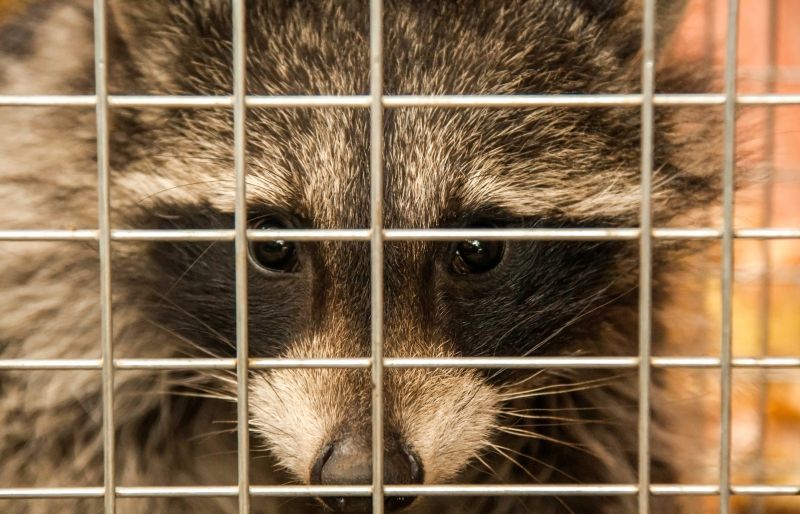
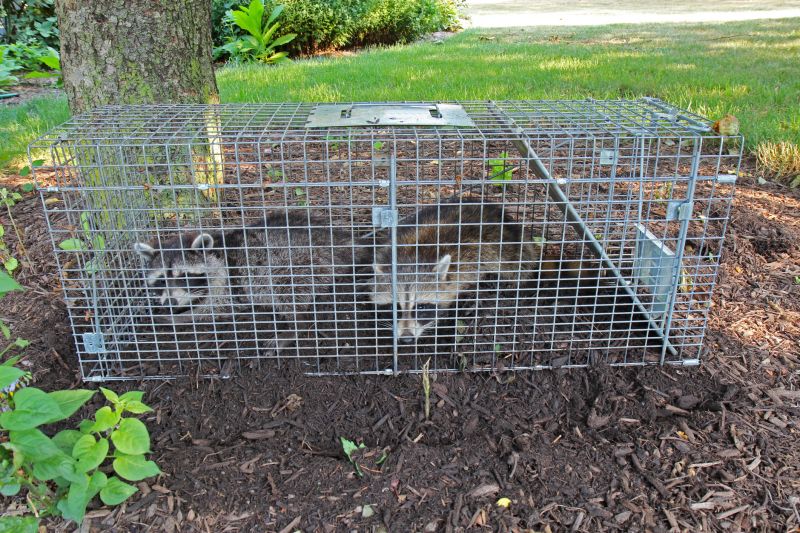
Homeowners often attempt to handle wildlife intrusions on their own after noticing raccoons in the attic or squirrels in the yard, believing that simple traps or deterrents will resolve the issue. However, when DIY wildlife removal becomes risky and professional help is needed, it’s usually because the situation involves more complex factors, such as animals nesting inside walls or in hard-to-reach areas. These scenarios can lead to potential safety hazards, property damage, or the spread of diseases if not managed properly. Local contractors experienced in wildlife removal have the tools and expertise to address these challenges safely and effectively, reducing the risk of further issues.
People in the area might also seek wildlife removal services when initial DIY efforts fail to resolve the problem or when animals become aggressive or territorial. Attempting to remove wildlife without proper knowledge can result in injury or cause animals to retreat deeper into the property, making the situation worse. Additionally, property owners may recognize that certain animals, like bats or birds, require specialized removal techniques to ensure compliance with local regulations. In such cases, connecting with local service providers ensures that the removal process is handled professionally, minimizing risks and preventing future infestations.
When is attempting DIY wildlife removal considered risky? DIY wildlife removal becomes risky when animals are difficult to access, or when improper techniques could cause injury or further damage to property, making professional help advisable.
What signs indicate that professional wildlife removal services are needed? Signs include persistent animal activity despite DIY efforts, animals nesting inside walls or attics, or if animals are aggressive or appear ill, which can pose health and safety concerns requiring local contractors' expertise.
Why should I avoid DIY removal if I suspect rabies or other diseases? Handling animals that may carry rabies or other zoonotic diseases without proper protective equipment and training can be dangerous; local service providers are equipped to handle such risks safely.
When does wildlife removal become risky due to property damage? Removal becomes risky when animals have caused structural damage or created entry points that are difficult to seal properly, which could lead to further issues if not handled by experienced professionals.
How can local wildlife removal contractors help when DIY efforts fail? They have the tools, experience, and knowledge to safely and effectively remove wildlife, prevent re-entry, and address any damage or health concerns that may arise during the process.
Recognizing hazardous wildlife situations - property owners can learn to identify signs of dangerous wildlife activity that require professional intervention, such as aggressive animals or extensive nesting.
Assessing property entry points - understanding when damage or openings suggest wildlife has established a risky presence, indicating the need for expert sealing and removal services.
Handling wildlife encounters safely - knowing when wildlife behavior poses a threat to personal safety can guide property owners to seek help from service providers with proper equipment and experience.
Understanding limits of DIY methods - recognizing when do-it-yourself techniques are ineffective or could worsen the problem helps property owners decide to rely on trained contractors for safe removal.
If you are thinking about when DIY wildlife removal becomes risky and professional help is needed for a property, this guide is meant to help you understand this topic, the typical project types, and how different options might fit your plans.
When you are ready, you can use the quote form on this page to share a few details about your project. From there, local pros can review the basics and follow up with options that match what you have in mind.